



Synthetic Identity Fraud Is Slipping Past Your Tenant Screening - Here's How to Catch It
The application looked perfect. A 720 credit score, verifiable employer, no evictions, no collections, a polite applicant who signed the lease without haggling. Four months later the rent stops, the unit goes dark, and when your attorney pulls records for the eviction filing, the person you leased to doesn't exist. Not "moved away" - never existed. The Social Security number belonged to a teenager. The name was invented. The credit file was real, built patiently over two years for exactly this purpose.
That's synthetic identity fraud, and it's built to beat the screening process most landlords run today. TransUnion has called synthetic identity fraud the fastest-growing category of digital fraud, and industry estimates put the average cost of a single rental fraud case at $4,215 in direct losses - closer to $7,500 once legal fees are counted. With roughly one in eight rental applications containing some form of misrepresentation, the question isn't whether a synthetic application will land in your inbox. It's whether your process will flag it when it does.
Why synthetic identities beat traditional screening
A synthetic identity is assembled, not stolen. Fraudsters pair a real Social Security number - often one issued to a minor or a deceased person, because nobody is monitoring it - with a fabricated name, birth date, and employment history. Then they nurture it: a secured credit card, a small paid-off loan, an authorized-user tradeline. After a year or two, the credit bureaus have a file that looks like a responsible young renter.
Here's the uncomfortable part: traditional screening validates that a credit file exists and looks healthy. It doesn't validate that a human being matches it. A synthetic applicant sails through because there are no evictions, no delinquencies, no criminal records - the identity is too new to have any. The very cleanliness that makes an applicant look safe is the signature of the fraud. Screening built around bureau data alone, the kind of process we examined in why alternative data beats credit scores, is structurally blind to it.
The red flags a careful review can still catch
Before any technology enters the picture, disciplined manual review catches more than most operators expect. Watch for an SSN issue date that doesn't square with the applicant's stated age - a 34-year-old whose number was issued nine years ago deserves a hard look. Watch for a credit file that is thin in a suspicious way: two or three tradelines, all recent, all perfect, with no student loans, no old addresses, no phone accounts - none of the ordinary residue a real financial life leaves behind. Watch for phone numbers that trace to VoIP services, employer addresses that resolve to virtual offices, and references who answer instantly and speak in the same cadence as the applicant.
The catch is consistency. These checks only work if every application gets them, every time - which is both a fraud defense and a fair housing safeguard, as we covered in why a standardized screening process matters. An ad hoc process catches fraud on the days you're not busy. Fraudsters apply on the days you are.
Verify the person, then verify the money
The reliable way to defeat a fabricated identity is to demand evidence a fabrication can't produce. Two layers do most of the work.
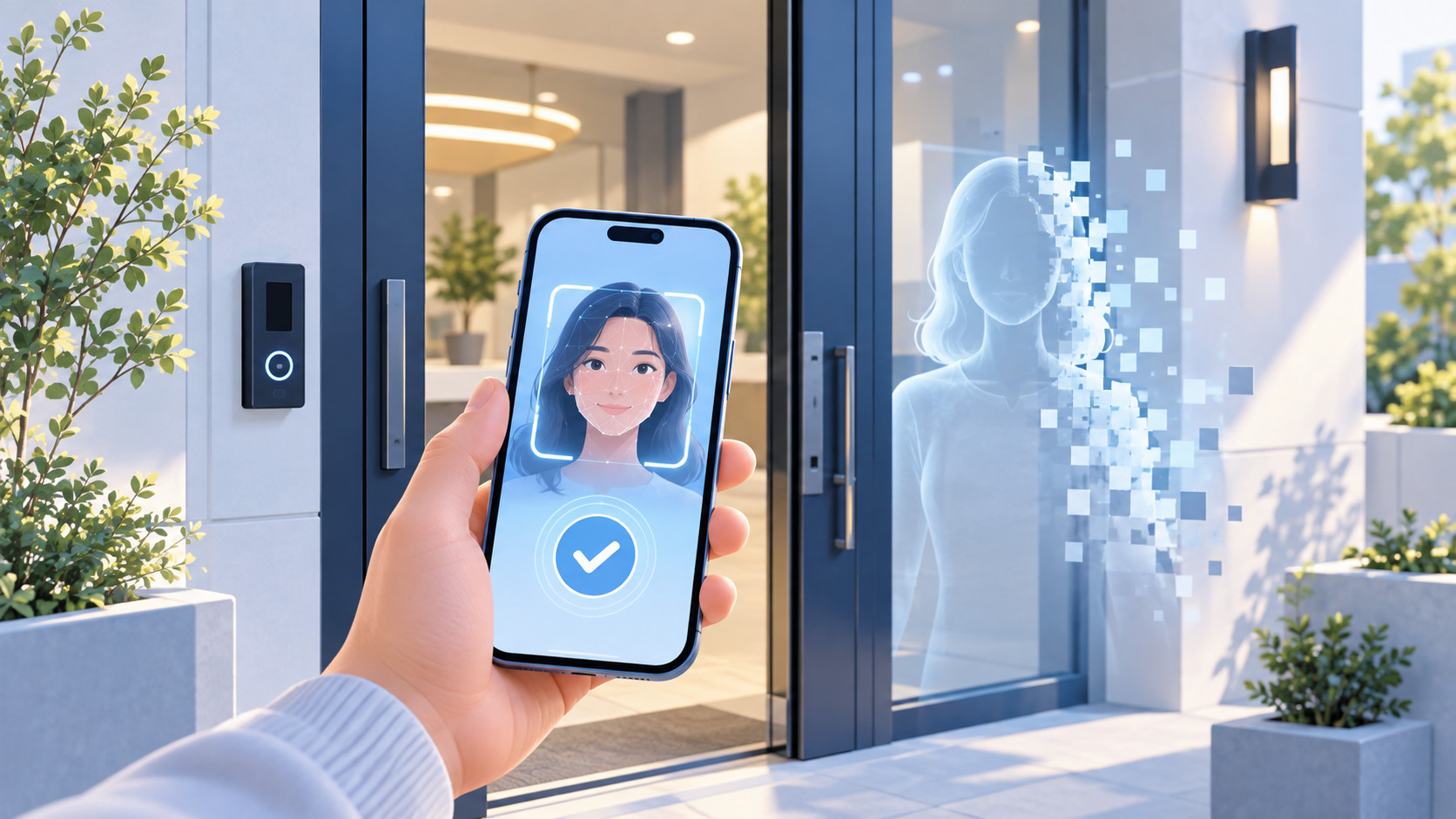
First, identity verification that ties a live human to a government document. Modern screening validates the security features of a driver's license or passport, then requires a real-time selfie with liveness detection and matches the face to the document biometrically. A synthetic identity has no genuine document and no face on file. Device fingerprinting adds another tripwire: when the same laptop submits six applications under six names across your portfolio, the identities don't matter - the device tells the story. These checks are core to how Rent Butter's screening platform approaches fraud, precisely because document review by eye can't keep pace with AI-generated forgeries.
Second, verified financial data instead of uploaded documents. A fraudster can generate a flawless PDF pay stub in minutes, but they can't fake two years of transaction history inside a real bank account. When an applicant connects their bank directly, you see actual income deposits and actual rent payments leaving the account - behavioral evidence no synthetic identity has had time to build. The same connection verifies employment through payroll data rather than a phone number the applicant supplied. For operators screening at portfolio scale, these verification layers can run inside existing property management software through a tenant screening API, so fraud checks happen on every application without adding a manual step.
Fraud defense without turning away good renters
There's a trap on the other side of this problem: overcorrecting. Raising the credit score floor to 700 doesn't stop synthetic fraud - remember, the synthetic file is often spotless - but it does reject thousands of real applicants with thin files, new credit, or non-traditional income. The goal isn't a higher wall; it's a smarter gate. Verify identity biometrically, verify income at the bank level, and you can confidently approve the self-employed applicant, the recent graduate, and the credit-invisible renter while screening out the applicant who was never a person at all. Operators who take this approach consistently find the two goals reinforce each other: the same bank-level data that exposes fraud also surfaces qualified renters a credit score would have hidden.
Synthetic identity fraud succeeds because it targets the gap between "the file checks out" and "this person is real." Close that gap and the economics of the fraud collapse. If your current screening stops at a credit report and a document upload, it's worth seeing how Rent Butter verifies both the person and the money before the next perfect application turns out to be nobody.